The Currents of Change
The Currents of Change
FEIT Film Festival 2026
18 August - 23 September 2026
About FEIT Film Festival
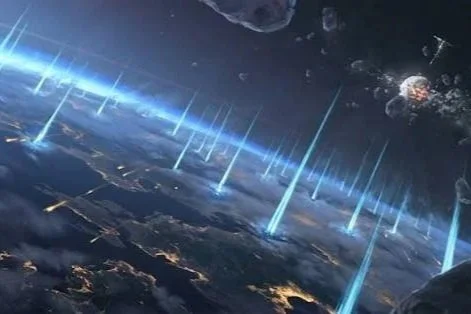
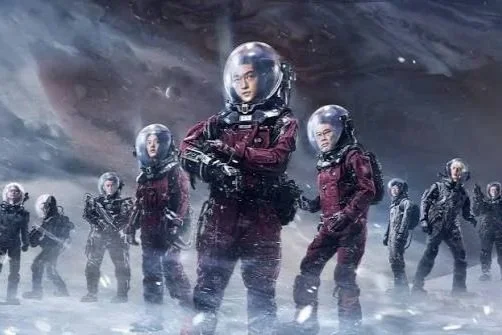
23 September is sci-fi night! The Chinese blockbuster The Wandering Earth I (2019) scales the theme of net zero up to a massive level. Faced with a dying sun, engineers construct thousands of giant fusion thrusters to propel the planet out of the solar system. This epic sci-fi narrative takes the festival's core question to its absolute extreme: how do humankind organise itself when its existence is threatened?
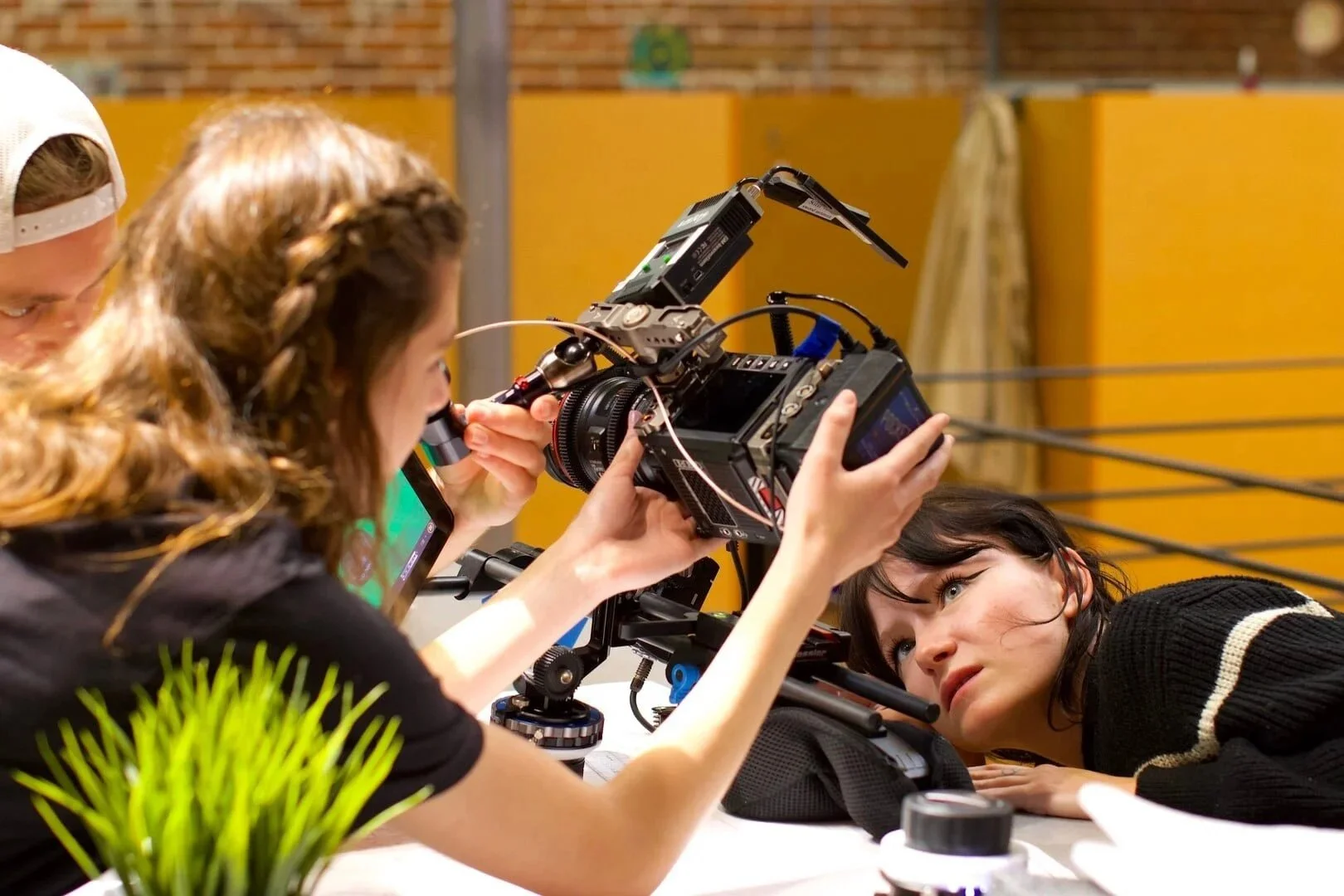
We have two more film events in September. On 9 September is our ME Women and Allies night. We screen the short For All Humankind (2025), a film that is part of an initiative to inspire women and girls to overcome the ongoing gender disparity in STEM classrooms and workplaces. This is followed by Solar Mamas (2014) This film follows Rafea, a Jordanian mother who travels to India's Barefoot College to become trained as solar engineer. What makes Solar Mamas so compelling is that it flips the traditional narrative of technological aid completely on its head. Instead of flying Western experts into developing nations to install infrastructure, the film documents a radical alternative: taking women from rural villages, the so-called “solar mamas”, around the world and training them to be the engineers themselves.
Welcome to Currents of Change, the 2026 installment of the FEIT Film Festival. As our global society navigates the urgent shift towards renewable energy solutions, the intersection of engineering and visual media is vital. While engineers design the technical solutions, filmmakers have the unique power to celebrate social challenges and achievements in storytelling formats. The films highlight how communities shape and are shaped by pioneering technological solutions and inspire critical conversations around a sustainable future.
Things kick off with two films by Swiss director Claudio von Planta who will be in Melbourne to present them! Claudio has worked extensively with the BBC - among his many projects, he filmed The Long Way Round series with Ewan McGregor. He is passionate about the possibilities of renewable energy and he brings the issue to life through gripping adventure travels.
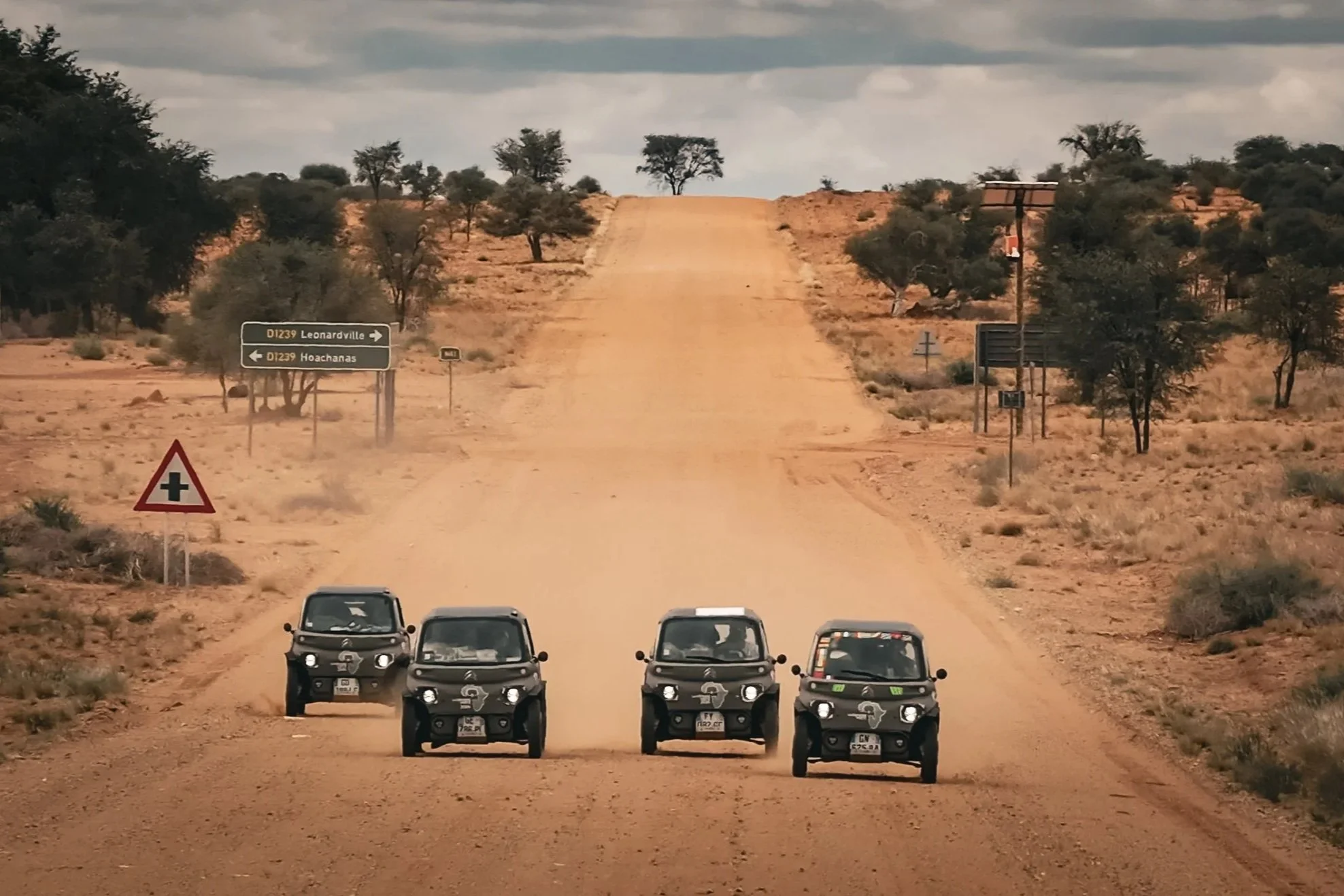
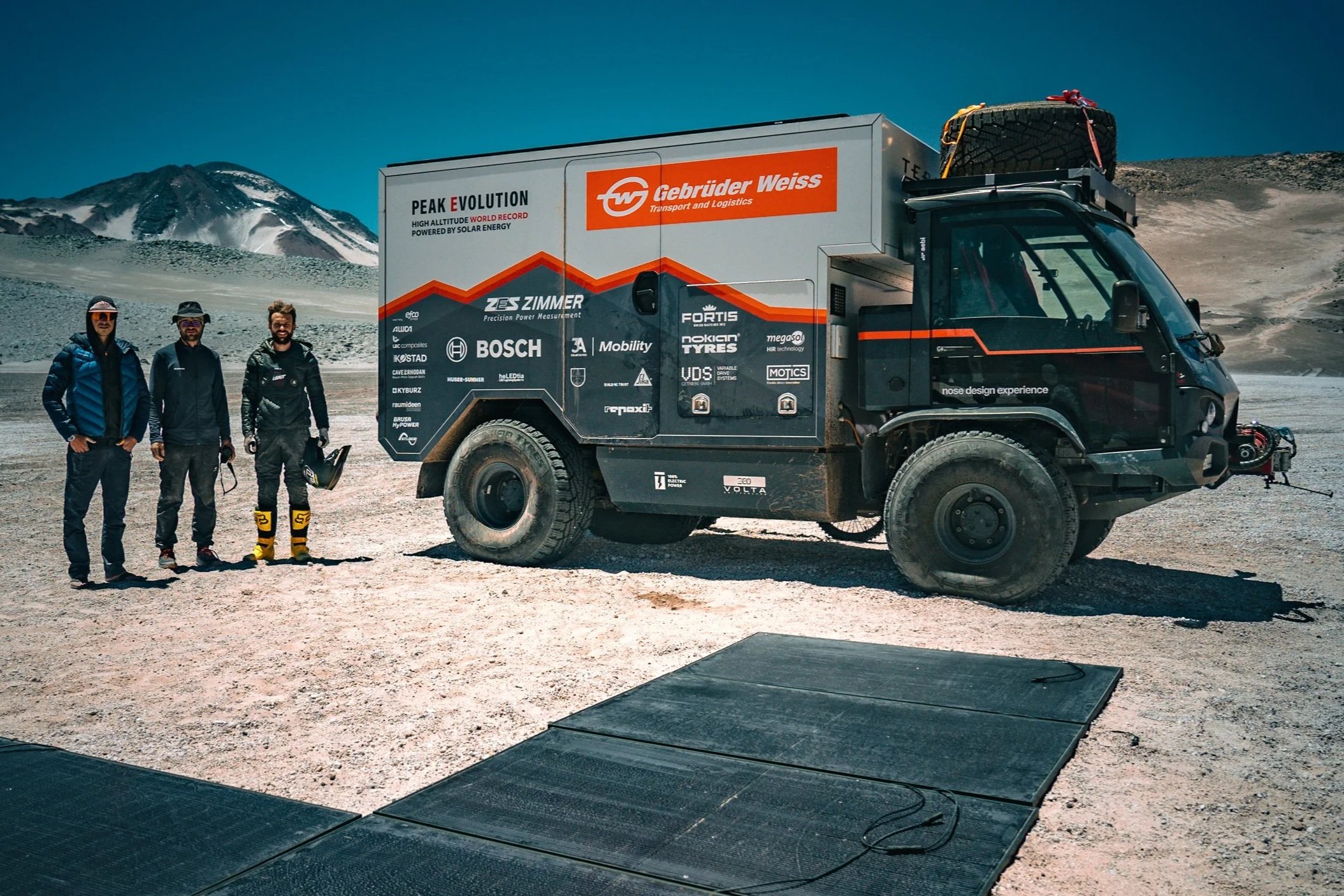
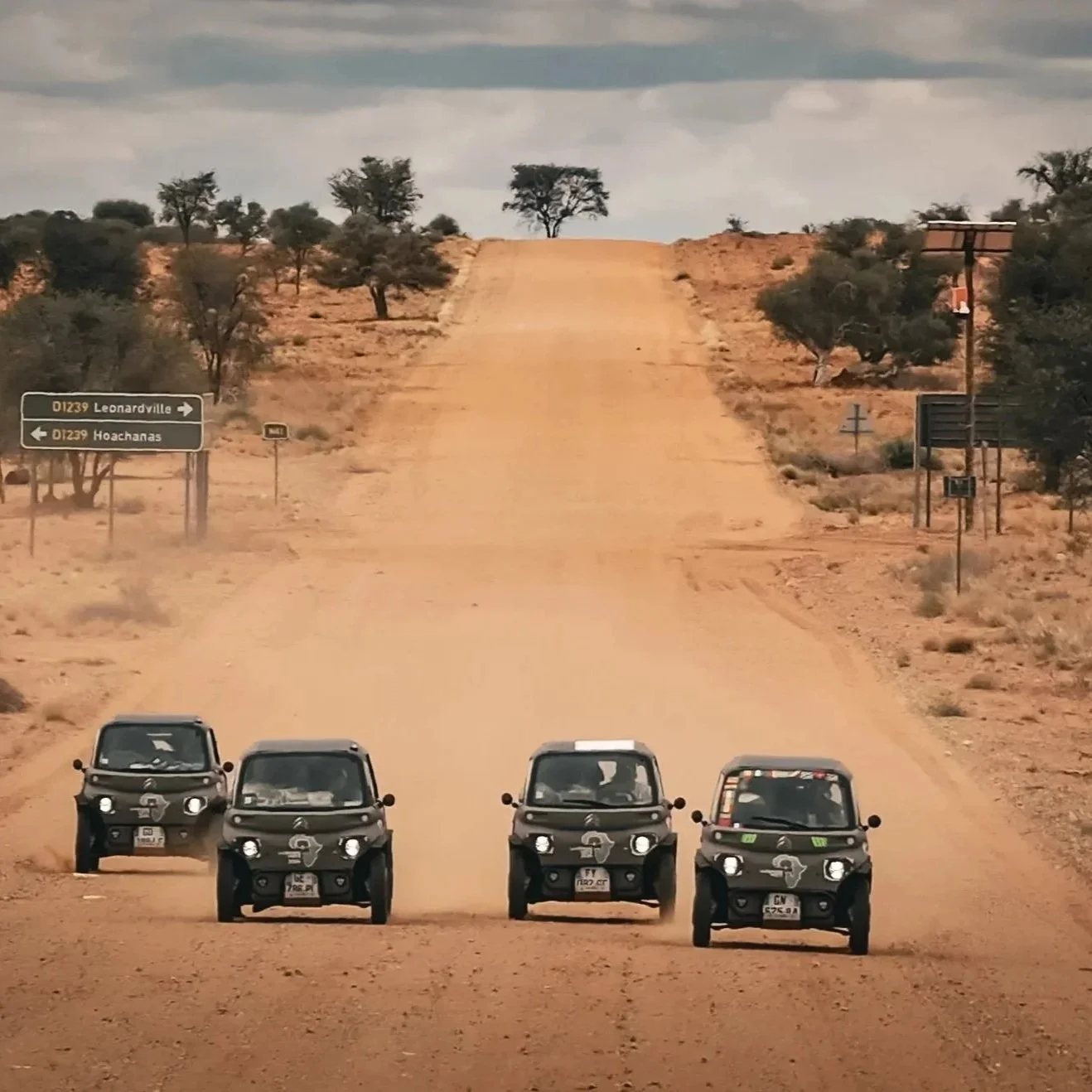
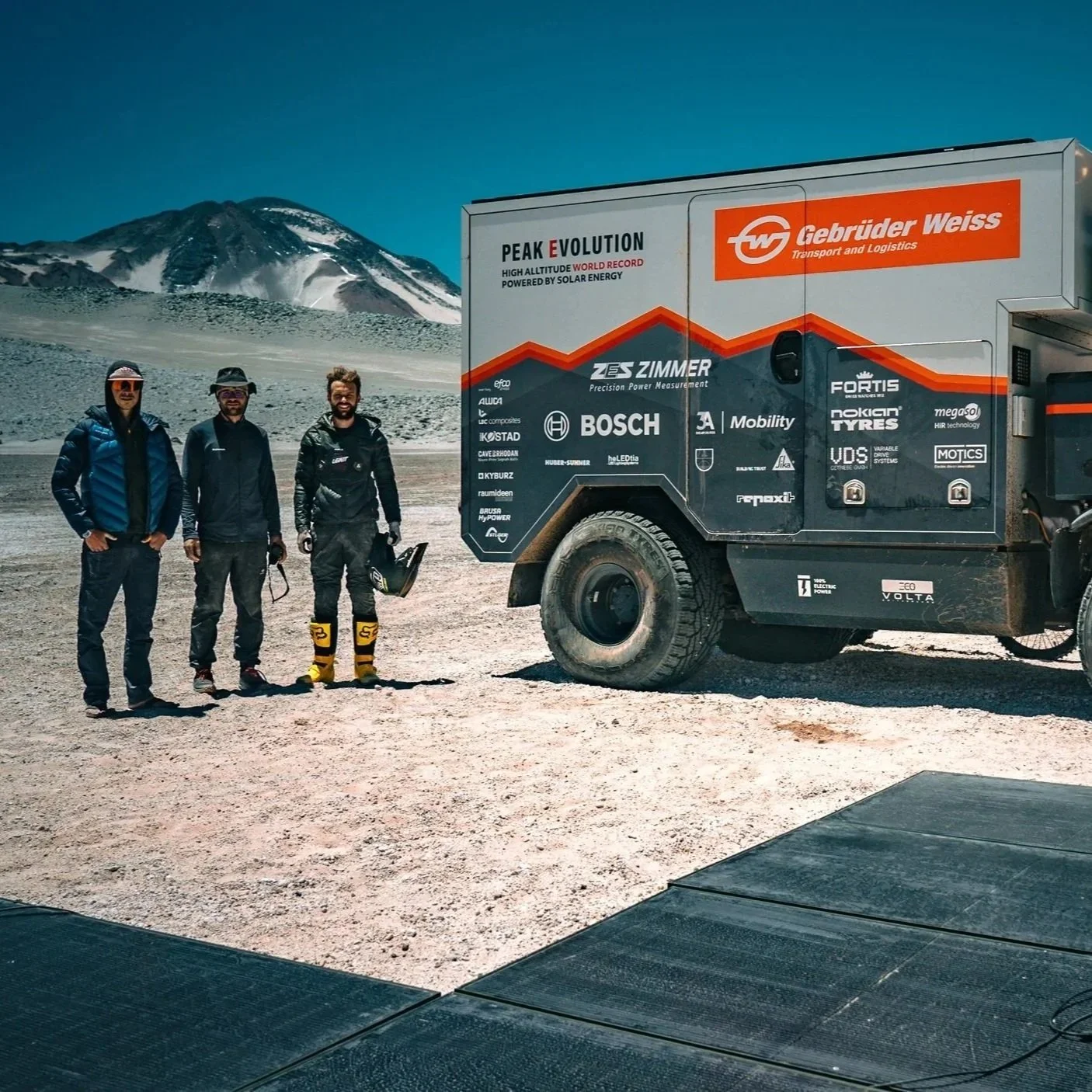
The FEIT Film Festival features two events with Claudio von Planta. On 18 August, we screen von Planta’s latest documentary, Chasing the Peak (2025). The film documents the inspiring project of three Swiss engineers to build a solar-powered truck and drive it up a volcano in the Andes. On 20 August, you can get a glimpse into other of his projects around solar energy at the event “The Green Lens: How can Filmmakers Engage Communities for the Energy Transition?” Among them is La Croisière Verte/Chasing Mobility. Currently in post-production, this TV series details a 17,000 km journey of four solar-powered e-cars from Morocco to South Africa. There will be plenty of time to talk to the director after the screening on both occasions.
Welcome to Currents of Change, the 2026 installment of the FEIT Film Festival. As our global society navigates the urgent shift towards renewable energy solutions, the intersection of engineering and visual media is vital. While engineers design the technical solutions, filmmakers have the unique power to celebrate social challenges and achievements in storytelling formats. The films highlight how communities shape and are shaped by pioneering technological solutions and inspire critical conversations around a sustainable future.
Things kick off with two films by Swiss director Claudio von Planta who will be in Melbourne to present them! Claudio has worked extensively with the BBC - among his many projects, he filmed The Long Way Round series with Ewan McGregor. He is passionate about the possibilities of renewable energy and he brings the issue to life through gripping adventure travels.
The FEIT Film Festival features two events with Claudio von Planta. On 18 August, we screen von Planta’s latest documentary, Chasing the Peak (2025). The film documents the inspiring project of three Swiss engineers to build a solar-powered truck and drive it up a volcano in the Andes. On 20 August, you can get a glimpse into other of his projects around solar energy at the event “The Green Lens: How can Filmmakers Engage Communities for the Energy Transition?” Among them is La Croisière Verte/Chasing Mobility. Currently in post-production, this TV series details a 17,000 km journey of four solar-powered e-cars from Morocco to South Africa. There will be plenty of time to talk to the director after the screening on both occasions.
About FEIT Film Festival
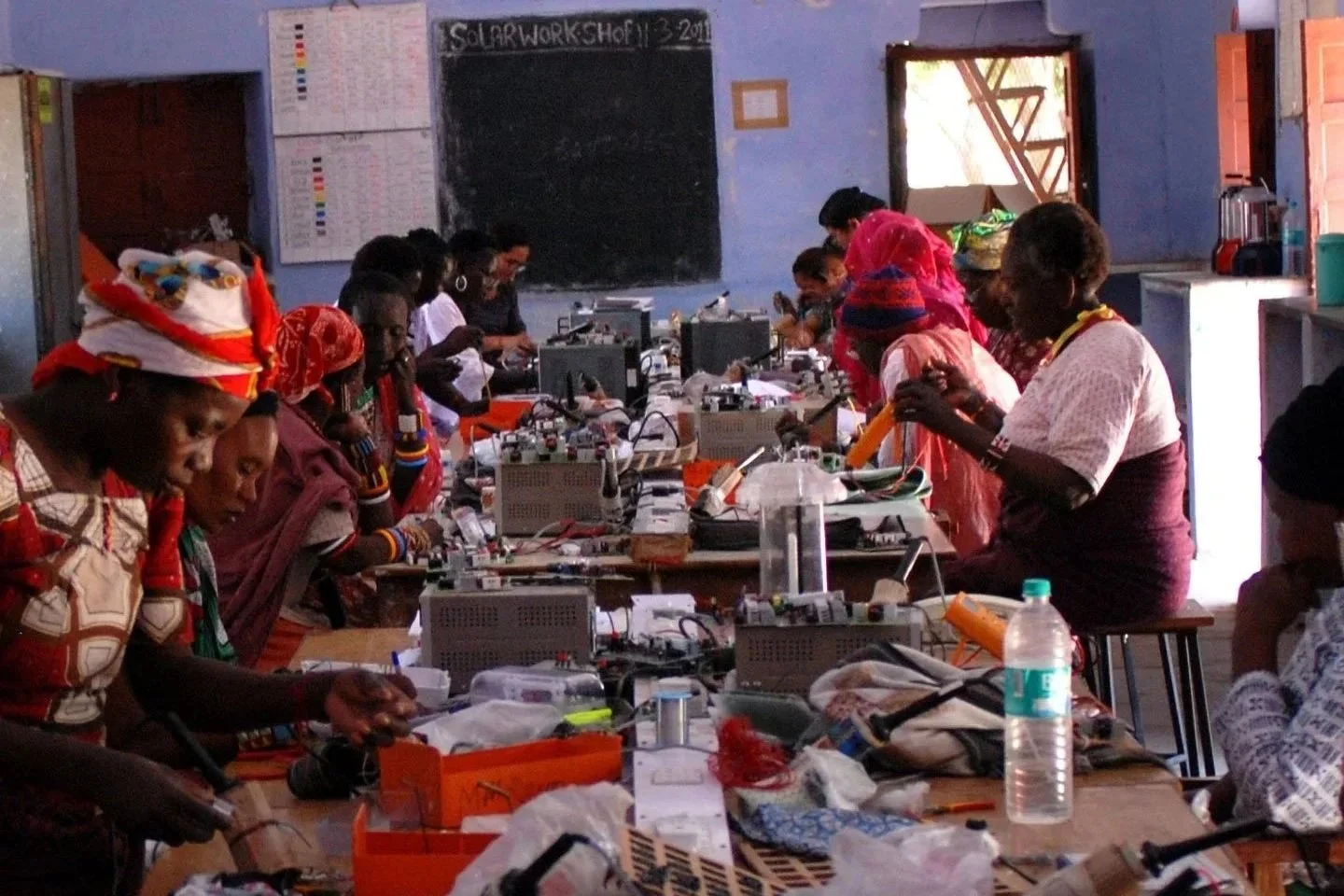
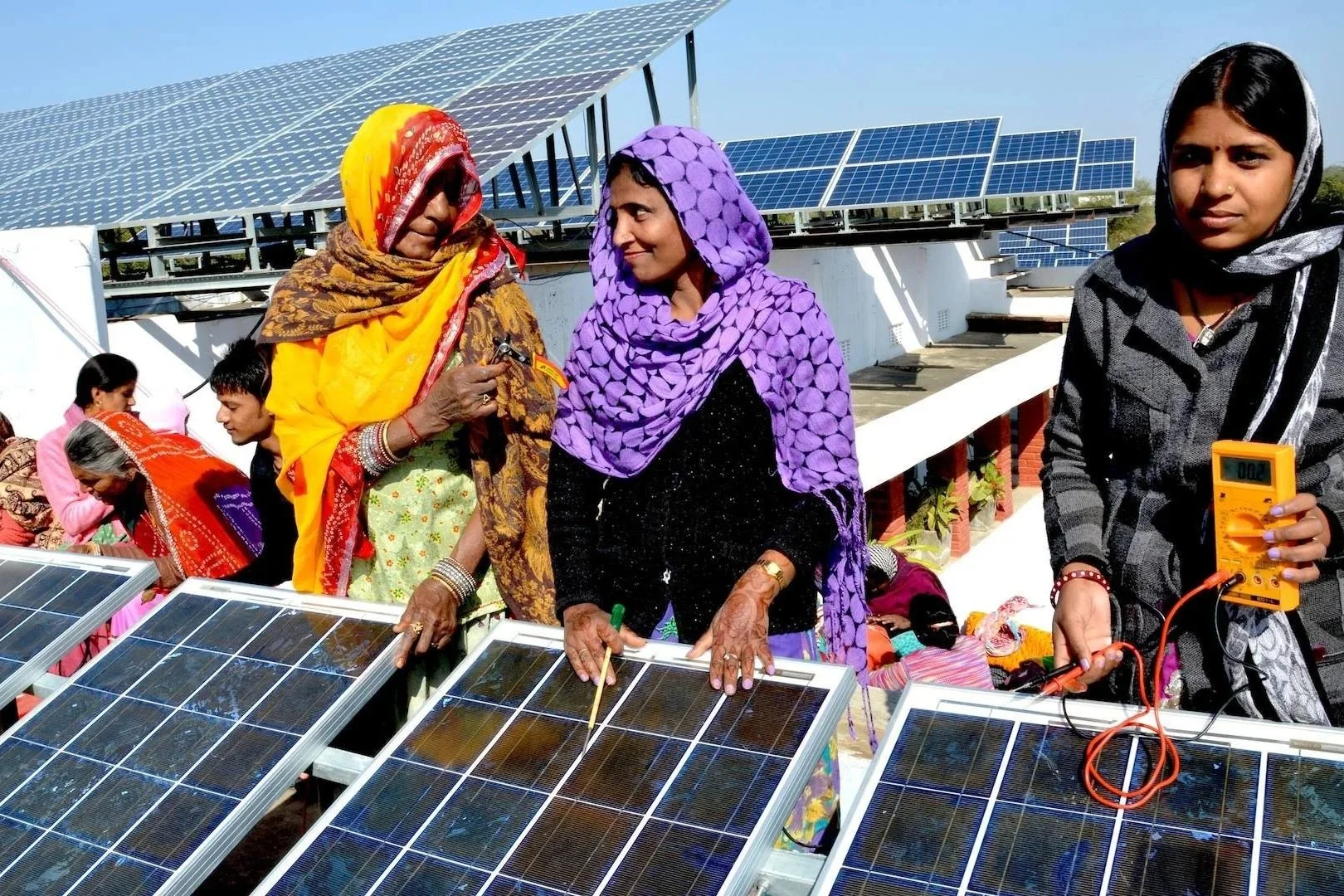
We have two more film events in September. On 9 September is our ME Women and Allies night. We screen the short For All Humankind (2025), a film that is part of an initiative to inspire women and girls to overcome the ongoing gender disparity in STEM classrooms and workplaces. This is followed by Solar Mamas (2014) This film follows Rafea, a Jordanian mother who travels to India's Barefoot College to become trained as solar engineer. What makes Solar Mamas so compelling is that it flips the traditional narrative of technological aid completely on its head. Instead of flying Western experts into developing nations to install infrastructure, the film documents a radical alternative: taking women from rural villages, the so-called “solar mamas”, around the world and training them to be the engineers themselves.
The FEIT Film Festival is proudly sponsored by the Faculty of Engineering and Information Technology at the University of Melbourne, the Melbourne Energy Institute and the Consulate General of Switzerland in Sydney.
23 September is sci-fi night! The Chinese blockbuster The Wandering Earth I (2019) scales the theme of net zero up to a massive level. Faced with a dying sun, engineers construct thousands of giant fusion thrusters to propel the planet out of the solar system. This epic sci-fi narrative takes the festival's core question to its absolute extreme: how do humankind organise itself when its existence is threatened?
The FEIT Film Festival is proudly sponsored by the Faculty of Engineering and Information Technology at the University of Melbourne, the Melbourne Energy Institute and the Consulate General of Switzerland in Sydney.

Festival Programme
-
This is a collaborative Melbourne Energy Institute and FEIT Film Festival event.
Claudio von Planta will give a presentation on highlights from his 35-year career filming energy projects and visionaries in over 100 countries. Using photos and film clips, he will share first-hand experiences from these regions and introduce his latest filmmaking venture. This includes fascinating footage from La Croisiére Verte / Chasing Mobility (2026), a 17,000 km journey of four solar-powered e-cars from Morocco to South Africa and Solar Planet 2 (2026), the first solar boat circumvention of Lake Titicaca in Peru.
The Q&A, moderated by Dr. Mitch Goodwin will focus on the core question: how can filmmaking be used to engage communities and navigate the challenges of driving the energy transition?
Supported by the Consulate General of Switzerland in Sydney.
This event is organised by Melbourne Energy Institute.
Register here to get your ticket.
Festival Programme
18 August 2026, 5pm-7pm, Old Arts, McMahon Ballroom
Chasing the Peak (2025)
-
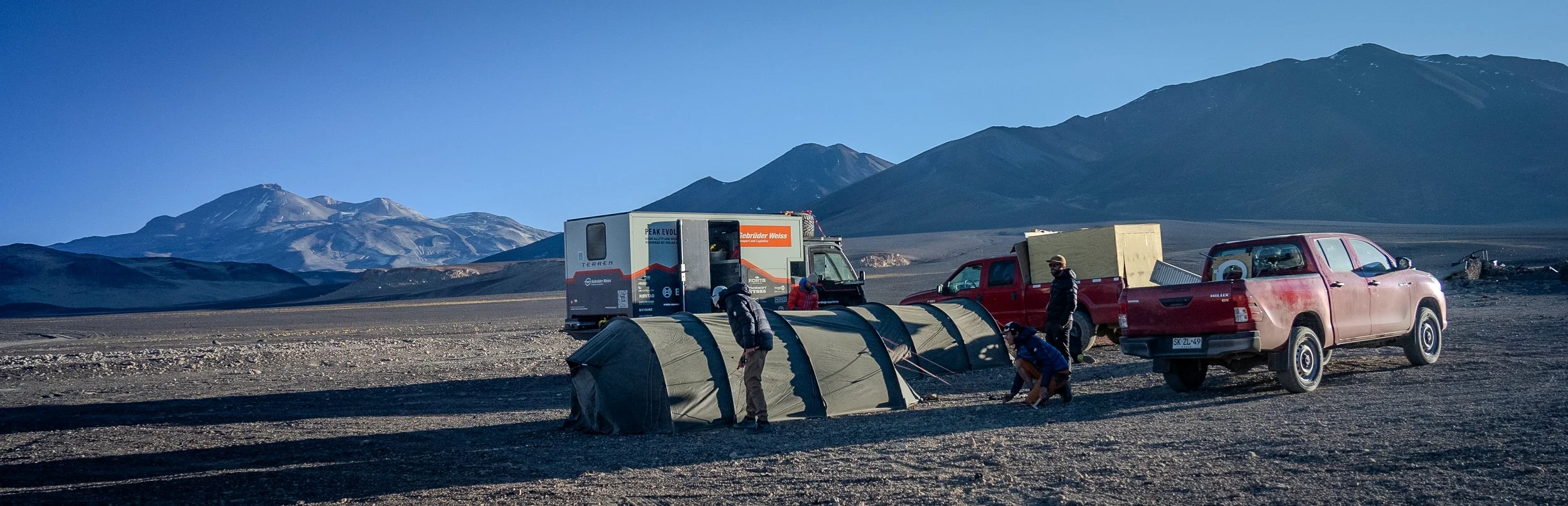
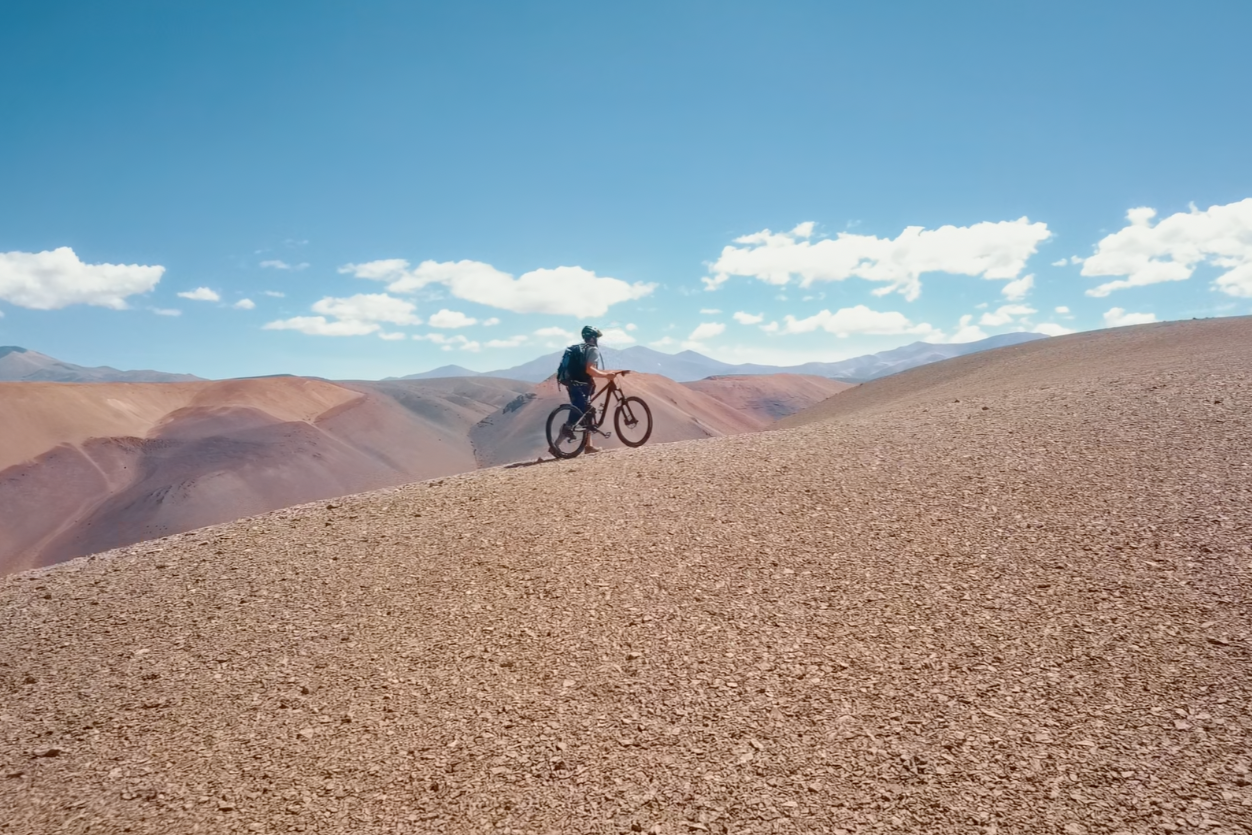
The documentary Chasing the Peak (Claudio von Planta, 2026) follows three Swiss engineers who stripped down a standard 7-ton diesel truck and rebuilt it into what they baptised Terren, a fully electric, solar-charged off-road vehicle. They drove it from the Chilean Pacific coast up the side of Ojos del Salado, the world's highest volcano, eventually reaching 6,490 meters, which is a Guiness-book record
There will be a Q&A with director Claudio von Planta und Andy Hadland, Executive Director BW ESS. Moderated by University of Melbourne MUR Racing team (tbc).
Supported by the Consulate General of Switzerland in Sydney.
Register here to get your ticket.
20 August 2026, 5pm-7pm, Arts West, Forum Theatre
The Green Lens: How can Filmmakers Engage Communities for the Energy Transition?
20 August 2026, 5pm-7pm, Arts West, Forum Theatre
The Green Lens: How can Filmmakers Engage Communities for the Energy Transition?
-
This is a collaborative Melbourne Energy Institute and FEIT Film Festival event.
Claudio von Planta will give a presentation on highlights from his 35-year career filming energy projects and visionaries in over 100 countries. Using photos and film clips, he will share first-hand experiences from these regions and introduce his latest filmmaking venture. This includes fascinating footage from La Croisiére Verte / Chasing Mobility (2026), a 17,000 km journey of four solar-powered e-cars from Morocco to South Africa and Solar Planet 2 (2026), the first solar boat circumvention of Lake Titicaca in Peru.
The Q&A, moderated by Dr. Mitch Goodwin will focus on the core question: how can filmmaking be used to engage communities and navigate the challenges of driving the energy transition?
Supported by the Consulate General of Switzerland in Sydney.
This event is organised by Melbourne Energy Institute.
Register here to get your ticket.
-
The documentary Chasing the Peak (Claudio von Planta, 2026) follows three Swiss engineers who stripped down a standard 7-ton diesel truck and rebuilt it into what they baptised Terren, a fully electric, solar-charged off-road vehicle. They drove it from the Chilean Pacific coast up the side of Ojos del Salado, the world's highest volcano, eventually reaching 6,490 meters, which is a Guiness-book record
There will be a Q&A with director Claudio von Planta und Andy Hadland, Executive Director BW ESS. Moderated by University of Melbourne MUR Racing team (tbc).
Supported by the Consulate General of Switzerland in Sydney.
Register here to secure your ticket.
9 September 2026, 5pm-7pm, Melbourne Connect, Manhari Room
For All Humankind (2025)
Solar Mamas (2014)
18 August 2026, 5pm-7pm, Old Arts, McMahon Ballroom
Chasing the Peak (2025)
-
For all Humankind (Sheila Schroeder, 2025, 9 minutes)
During a brainstorming session to imagine a helmet for moon cave exploration, an early-career female engineer goes to extreme lengths to break into the boys’ club.
Solar Mamas (Mona Eldaief and Nehane Noujai, 2012, 52 minutes)
A ME Women & Allies and FEIT Film Festival event
Solar Mamas follows Rafea, a Jordanian mother who travels to India's Barefoot College to learn solar engineering. The documentary captures the many frictions between community tradition and technological empowerment, showing that the hardest part of an engineering transition is often the social framework surrounding it. By mastering the assembly and installation of solar components, Rafea and her fellow illiterate women from around the world bring renewable power to their villages, proving that sustainable solutions succeed only when they empower the communities they serve. The true obstacle is not the technical details, it is patriarchy. We see the intense pressure on Rafea, from her husband and community, who view her education as a threat to traditional roles.
There will be a Q&A after the screening.
Get your tickets here.
23 September 2026, 5pm-7pm, Melbourne Connect, Manhari Room
The Wandering Earth I (2019)
-
As the Sun is about to collapse, humanity builds thousands of fusion-powered planetary engines to push Earth on a centuries-long voyage to a new star. It asks a striking “what if”—when energy and propulsion operate at planetary scale, what new possibilities and sacrifices—await us? The Wandering Earth I was China’s first sci-fi blockbuster and country’s biggest box-office hit in 2019. The film speaks about changes and challenges on the crossroads of engineering, energy systems, and collective survival.
There will be a conversation with Yantong Huang and Dr. Yuan Fang after the film.
Book your ticket here.
9 September 2026, 5pm-7pm, Melbourne Connect, Manhari Room
For All Humankind (2025)
Solar Mamas (2014)
-
For all Humankind (Sheila Schroeder, 2025, 9 minutes)
During a brainstorming session to imagine a helmet for moon cave exploration, an early-career female engineer goes to extreme lengths to break into the boys’ club.
Solar Mamas (Mona Eldaief and Nehane Noujai, 2012, 52 minutes)
A ME Women & Allies and FEIT Film Festival event
Solar Mamas follows Rafea, a Jordanian mother who travels to India's Barefoot College to learn solar engineering. The documentary captures the many frictions between community tradition and technological empowerment, showing that the hardest part of an engineering transition is often the social framework surrounding it. By mastering the assembly and installation of solar components, Rafea and her fellow illiterate women from around the world bring renewable power to their villages, proving that sustainable solutions succeed only when they empower the communities they serve. The true obstacle is not the technical details, it is patriarchy. We see the intense pressure on Rafea, from her husband and community, who view her education as a threat to traditional roles.
There will be a Q&A after the screenings.
Get your tickets here.
23 September 2026, 5pm-7pm, Melbourne Connect, Manhari Room
The Wandering Earth I (2019)
-
As the Sun is about to collapse, humanity builds thousands of fusion-powered planetary engines to push Earth on a centuries-long voyage to a new star. It asks a striking “what if”—when energy and propulsion operate at planetary scale, what new possibilities and sacrifices—await us? The Wandering Earth I was China’s first sci-fi blockbuster and country’s biggest box-office hit in 2019. The film speaks about changes and challenges on the crossroads of engineering, energy systems, and collective survival.
There will be a conversation with Yantong Huang and Dr. Yuan Fang after the film.
Book tickets here.